Alex Kemman

Meet the OKO foto festival Bohinj 2025 winners

The first edition of OKO foto festival Bohinj received 199 submissions by 181 photographers of 53  nationalities. The call for entries 2025 was open from 26 February 2025 to 13 April 2025, inviting projects exploring various topics from nature conservation to evolving relationships between humans and the environment, including mainly documentary photography projects examining our connection to the planet, our impact on ecosystems, the ways landscapes are shaped by time and human influence, the bonds that tie us to the natural world, and initiatives of care and protection.

After several intensive days of reviewing all submissions, the jury — Marija Skočir, PhD, Nika Perne, Fernanda Prado Verčič, Lars Lindemann and Stefano Carini — selected 10 outstanding projects to be featured at festival exhibitions, which will be displayed from October 16 to November 30 in Bohinj, Slovenia. Among them, one project was chosen as the grand winner, who will be awarded a solo exhibition at OKO foto festival Bohinj including production costs covered by the festival, a EUR 1,000 cash award, travel expenses up to EUR 600 to attend the festival’s opening days (16 to 19 October) and accommodation for 3 nights in Bohinj. 

The remaining nine finalists will be featured in group exhibitions, with production costs and three nights of accommodation during the opening days also covered by the festival.

Additionally, the jury has selected 14 (fourteen) outstanding projects for a special projection during the festival. Although these projects were not selected for the actual exhibitions, they received high rankings and recognition in the final evaluation.

Scroll down to discover the projects that will be featured in this year’s OKO foto festival Bohinj, in Slovenia.
Grand Winner
of OKO foto festival Bohinj 2025

Alex Kemman

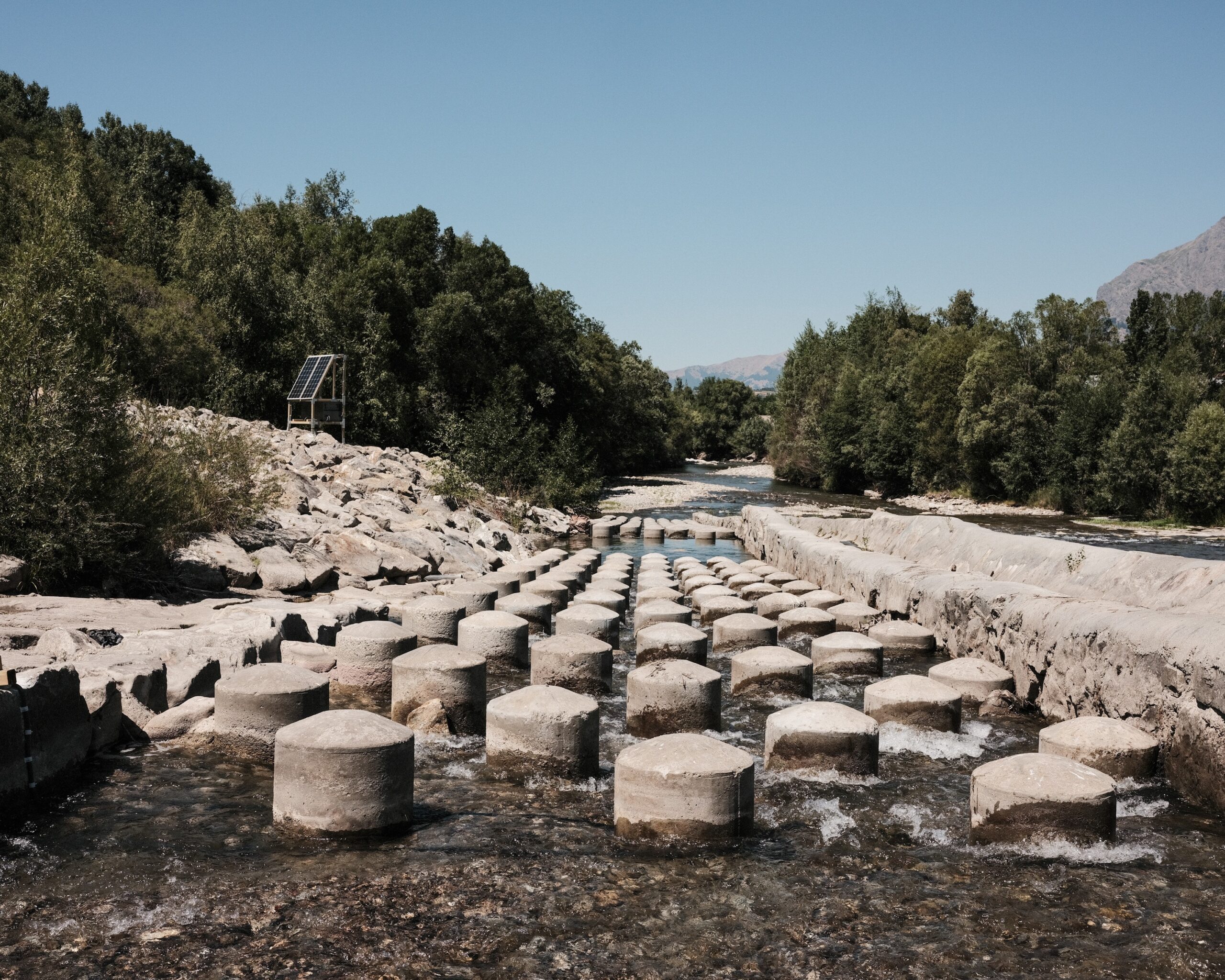
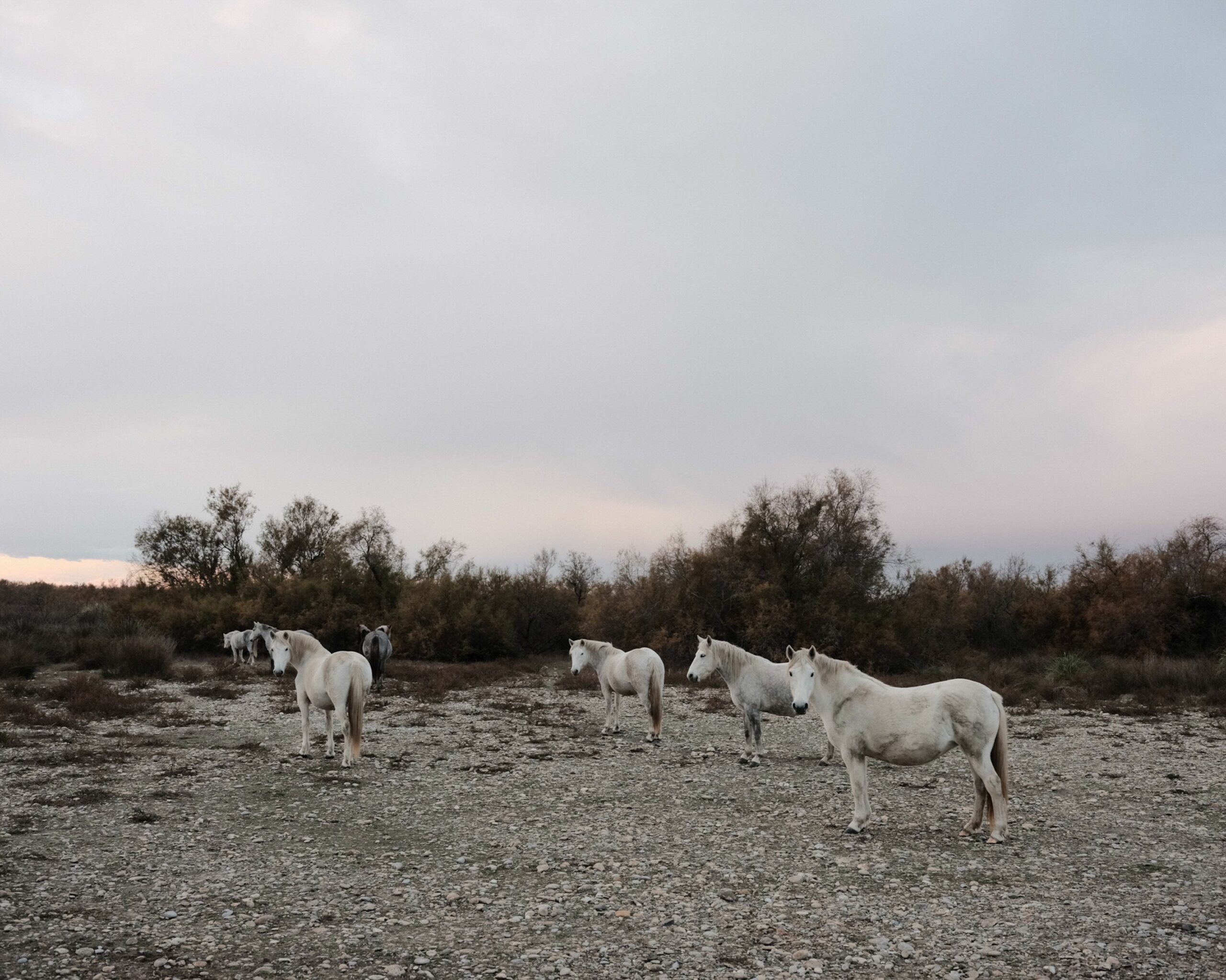
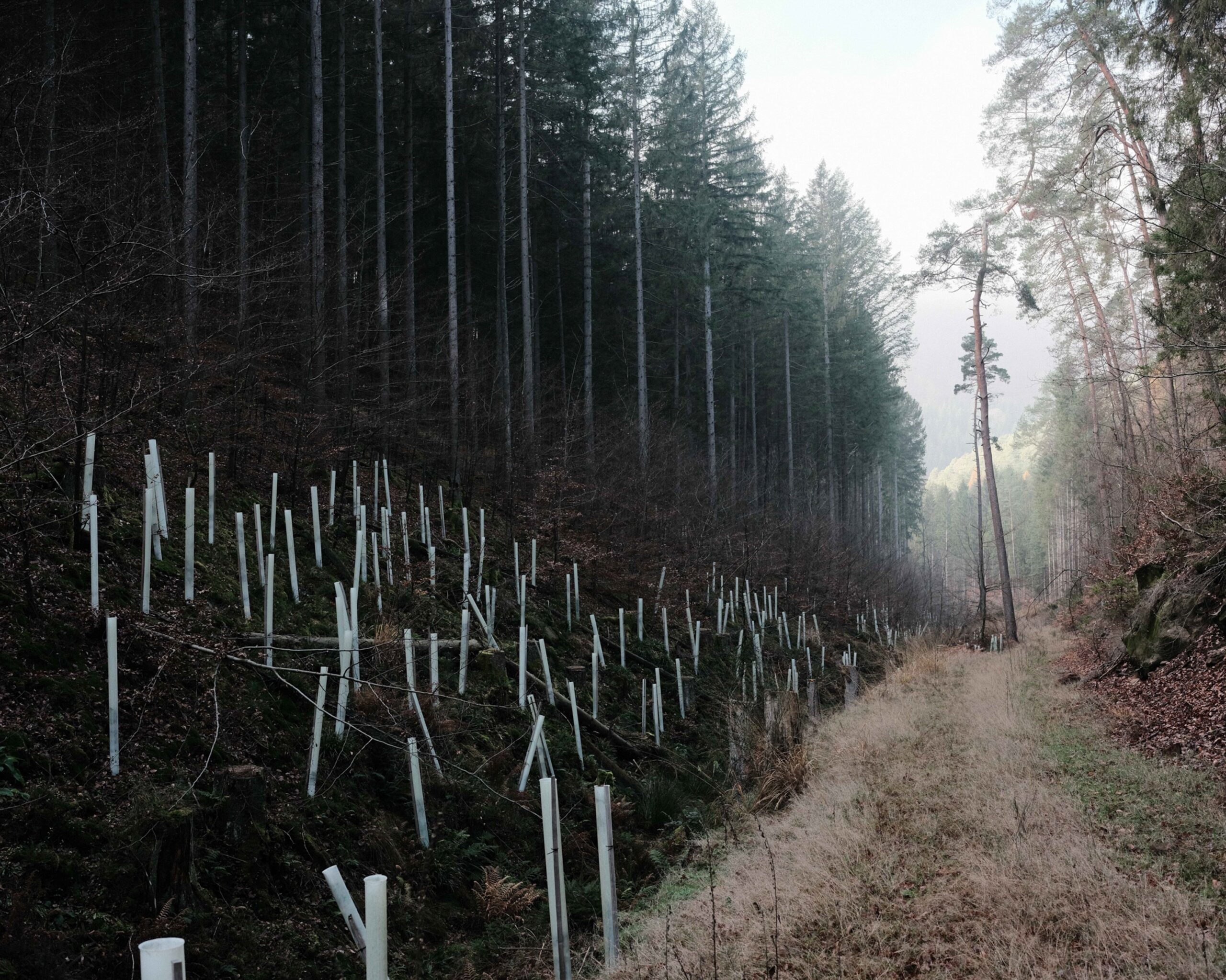
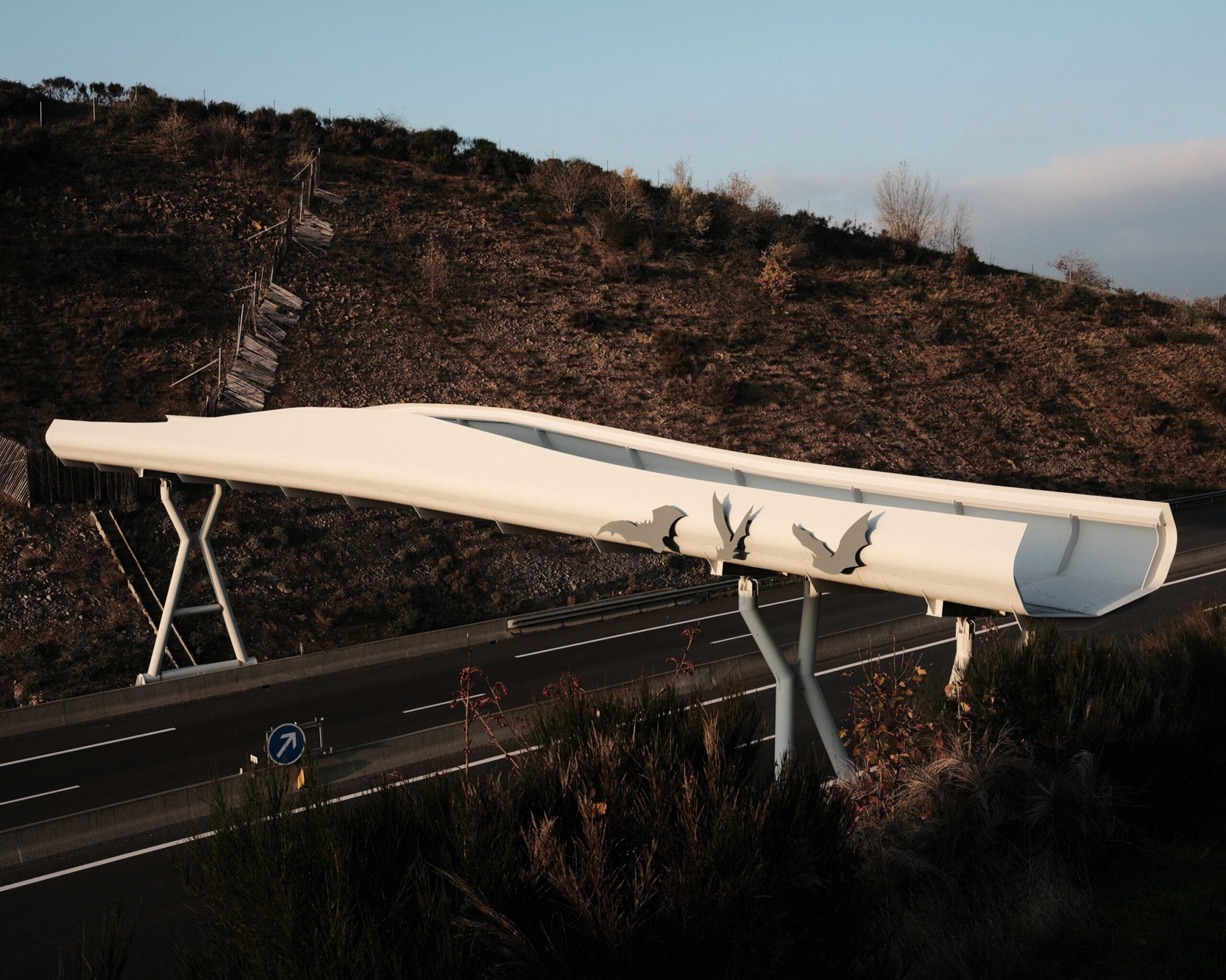
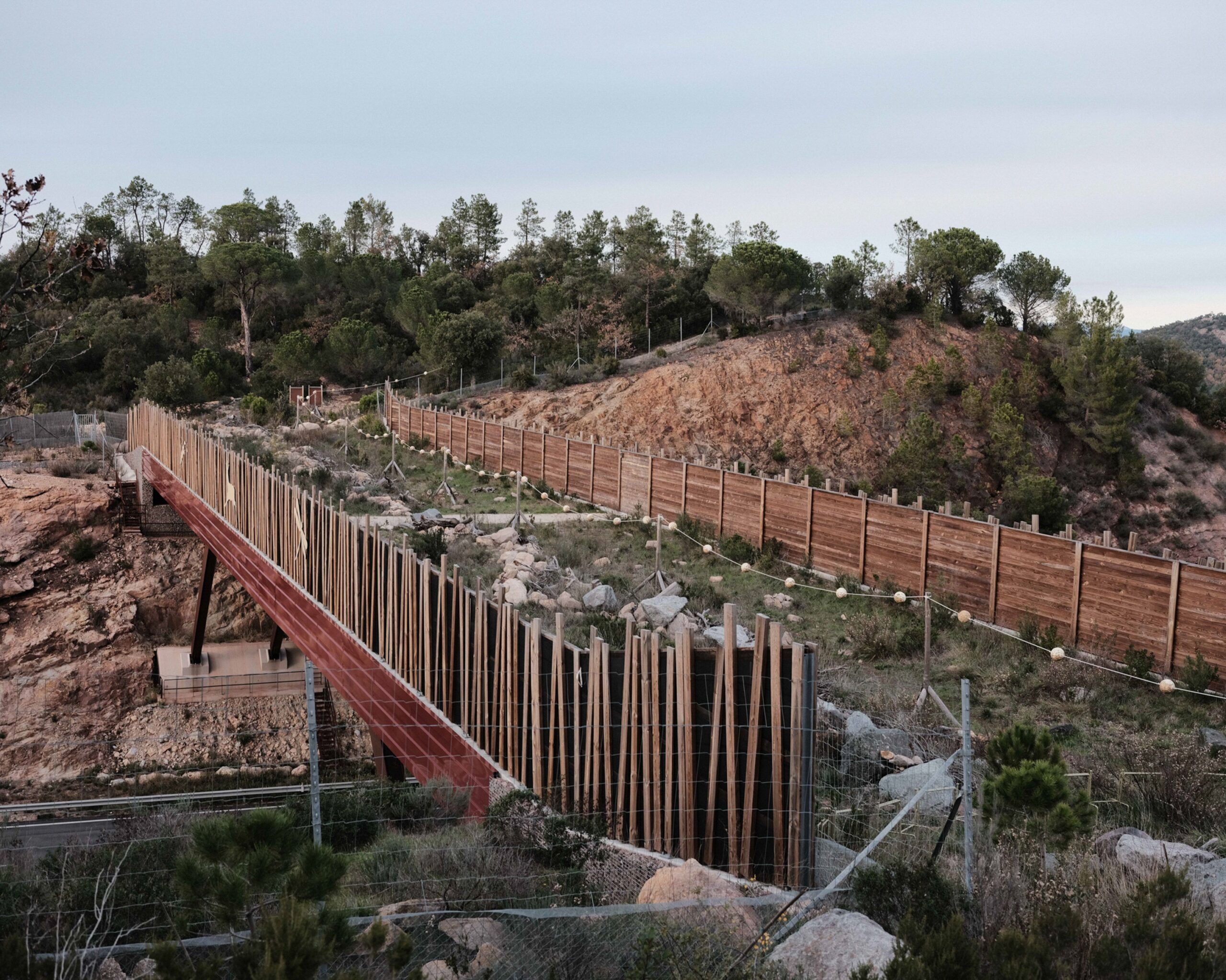
Green Veins of Europe: Ecocorridors & the European Green Deal

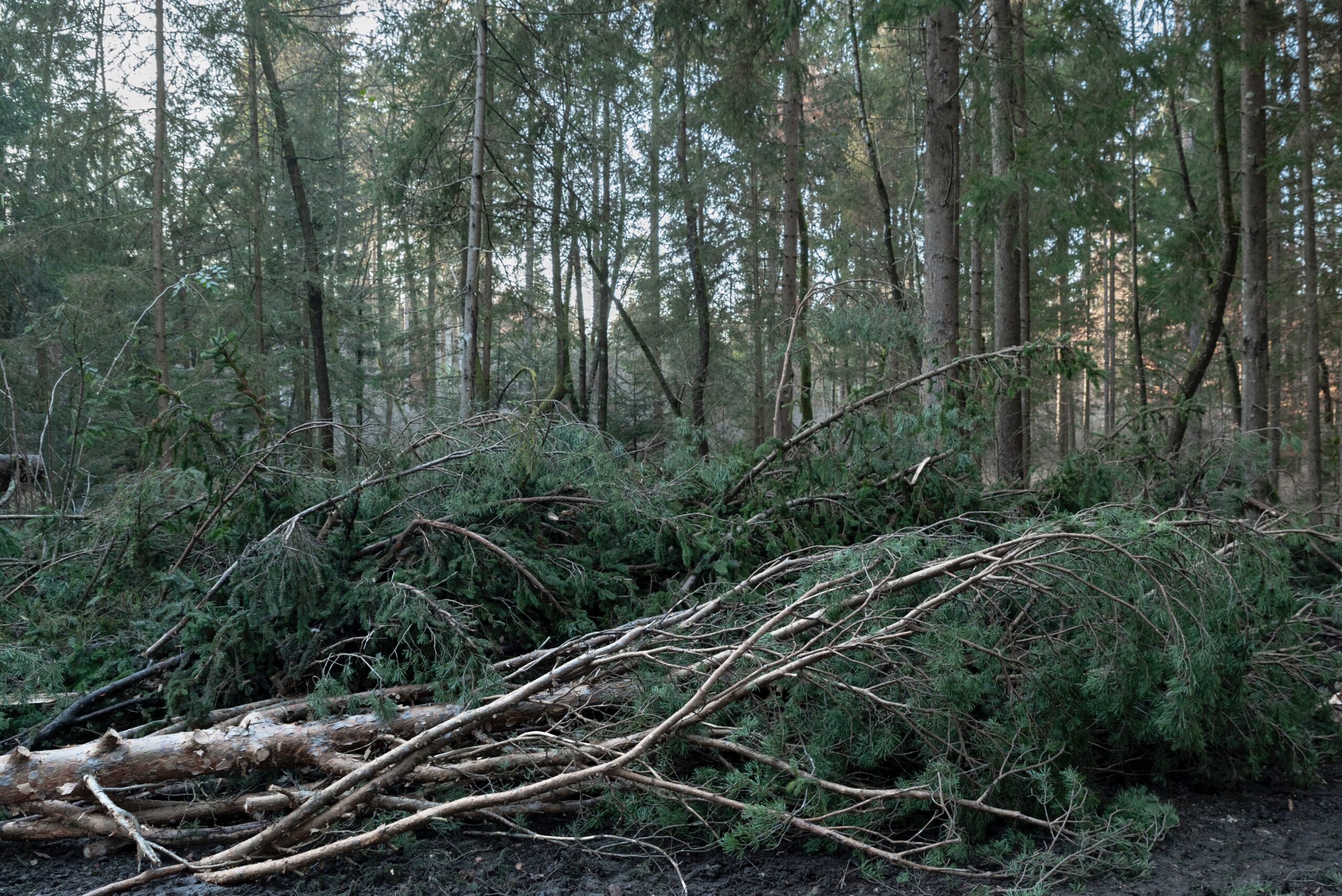
“From red deer trails and half wild horses, to fallen trees and tree plantations, mountain ranges and free-flowing rivers, they have something in common: these are the roads and routes that nature uses. Looking at the map, eco-corridors look like veins connecting the whole European continent, and as such are somehow the opposite of highways by enhancing mobility for flora and fauna. With the upcoming Green Deal, eco-corridors (the connections between nature reserves) have become of increased interest. The European Green Deal is the most ambitious plan in the history of the EU and will change the face of the continent irrevocably. At least 1000 billion euros will be made available to invest. Ecological connectivity forms an underlying key point, however, there is no binding legislation. Environmental experts argue that these connections are essential to lower CO2 emissions, strengthen biodiversity, and allow animals and other species to adapt to the changing climate and precipitation patterns.

What do eco-corridors look like?

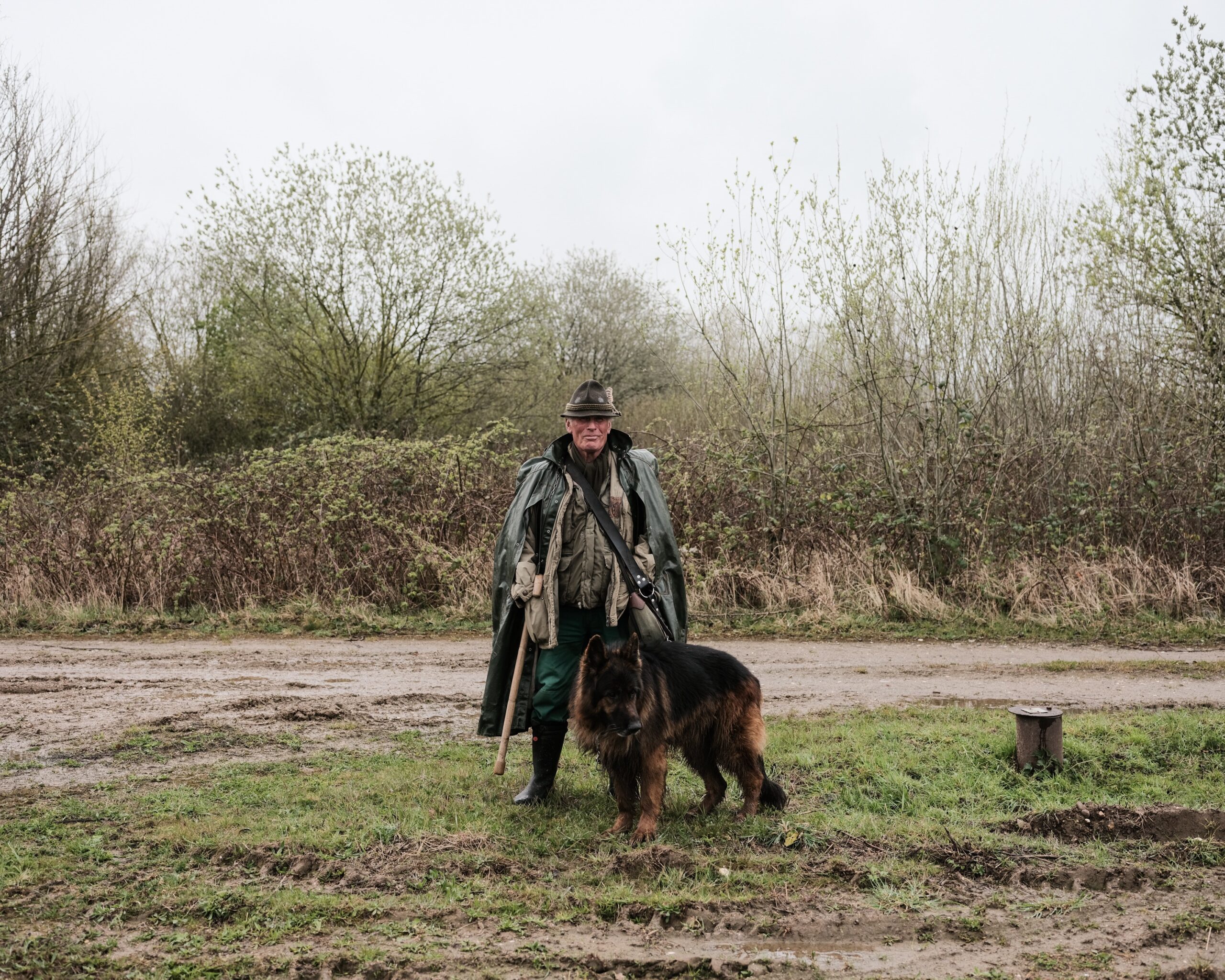
This project investigates and follows an ecocorridor from the Netherlands to Italy. Through an in-depth series of photos, ‘Green Veins of Europe’ tells several local stories of the respective countries that sometimes show harmony between humans and nature, and sometimes show friction. Essentially investigating how the future of our fragmented continent may look like and what role EU policy-making may play in this. Focusing on the fringe of nature and humanity, the images evoke mixed feelings about our relationship with nature. Sometimes small, sometimes big, they show the human interventions in the landscape.
This project hopefully inspires you to take a different look at your surroundings. If you look closely, you may see examples of ecological connections everywhere.” — Alex Kemman

Finalists 2025

Photographers listed in alphabetical order

Arantes, Carolina (Brazil)
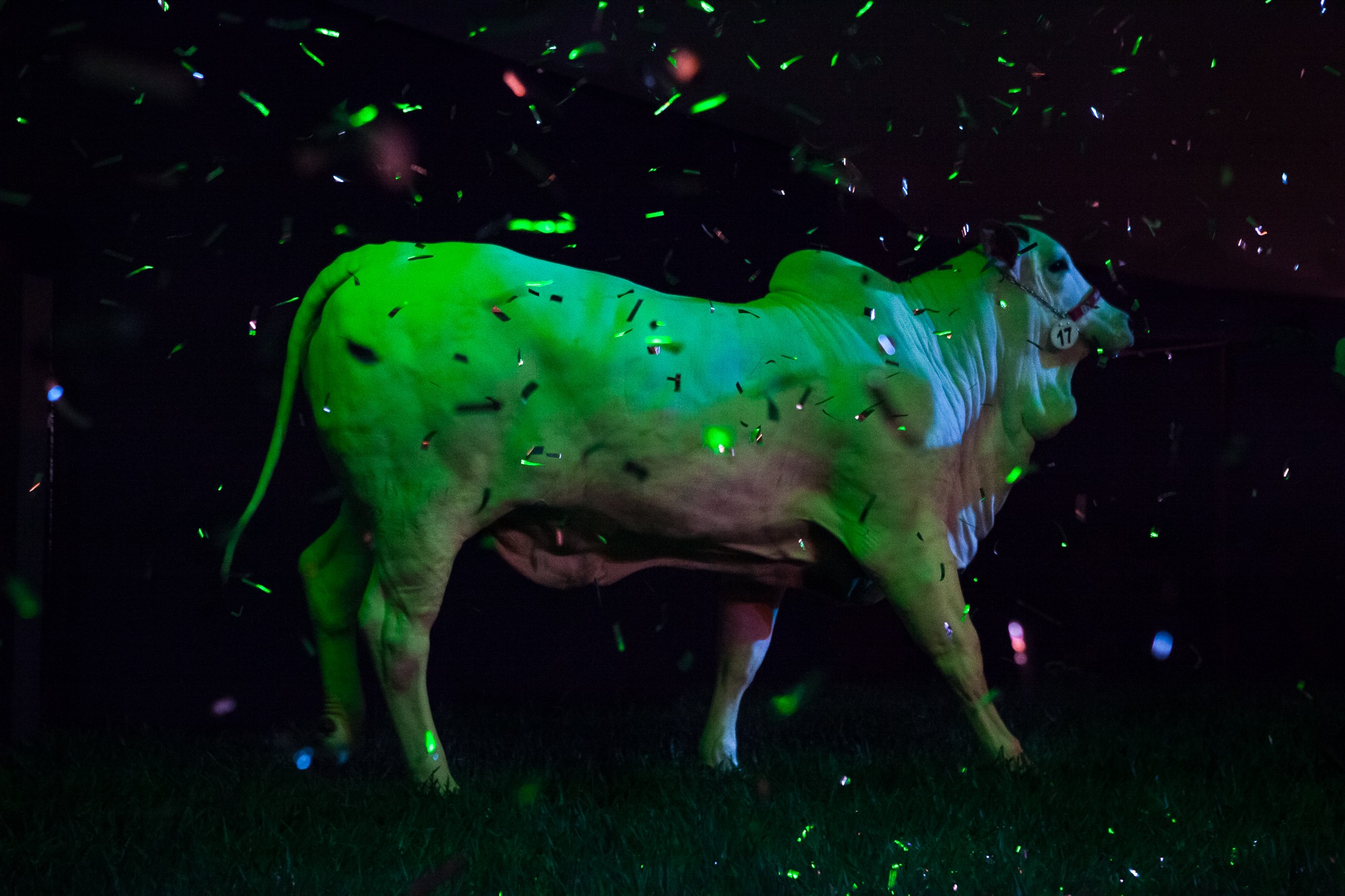
Holy Cow
Holy Cow is a story about who produces the meat we eat today and how it is produced. As one steak in four comes from Brazil, the meat export business is a crucial industry at the intersection of environmental and food-related issues. For more than a thousand years, the Zebu has been a sacred animal in Hinduism. In Brazil it has become a capitalist icon: admired, respected, and studied as one of the most significant commodities of Brazilian international commerce. Brought to Brazil in the late 19th century, the Zebu adapted to the geography so successfully that by 2012 Brazil had overtaken the United States to become the world’s largest exporter of beef. Since then, record after record has marked the rise of this booming industry. Last year, Brazilian meat exports reached 2.25 million tonne of meat, generating an income of US$9,75 billion. The growth has been fuelled largely by the arrival of China as Brazil’s biggest client. After a brief crisis in domestic pork production, China began importing Brazilian red meat. What started as a new eating habit for just 2% of the Chinese population now accounts for half of Brazil’s meat exports. To sustain this important trade, the farmers’ lobby is pressuring the government to double the Brazilian herd in the next decade—from 235 million to 400 million animals. Over the last 8 years, the herd has already increased by 20 million animals. Such expansion is only possible due to genetic development and the use of highly controlled artificial insemination, which aim to produce the “perfect” animal. The origin of both the semen and the eggs is studied in detail and top animals are prized as suppliers of genetic material, capable of fathering up to 600 thousand calves destined for slaughterhouses. Some bulls are sold for over $1 million and are cloned to preserve their genetical value. This powerful industry is also one of the most energy-intensive and environmentally destructive. A single animal consumes 60 litres of water per day. Besides water, the sector demands in vast agriculture production for fed, fuel, and electricity for transport and refrigeration. Combine with the direct environmental impact of cattle, this makes beef production one of the largest contributors to environmental degradation. In 2022, cattle ranching alone accounted for 23% of worldwide greenhouse gas emissions. Amazon deforestation has grown in step with the industry’s profits, with 2 million hectares cleared for pasture that the same year. Yet, environmental issues do not appear to hinder the sector. Through selective breeding, wealthy Brazilian farmers are preparing the next generation of cattle to be resistant to climate change. By developing animals that can be slaughtered earlier and adapt to increasingly extreme weather conditions, the industry continues to expand despite its ecological costs. Holy Cow followed this Brazilian powerhouse of agribusiness for eight years, documenting the history and the environment of this powerful rural capitalism at a moment of urgent global climate crisis.
Caimi, Jean-Marc and Piccinni, Valentina (Italy)
Tropicalia
As Europe faces an era of climate shifts, Sicily, once the continent’s breadbasket, has become a frontline of environmental transformation and a testing ground for adaptation for the whole continent. Tropicalia explores how the Mediterranean island is navigating the challenges of rapid tropicalization, revealing the social, ecological, and cultural changes reshaping its landscape. This work explores Sicily’s evolving agricultural landscape, documenting efforts to cultivate resilient crop varieties, develop fertilizers to combat desertification, and embrace water- saving techniques. Central to this transformation is the rise of high-value tropical fruit production, such as mangos, avocados, and papayas, where farmers have shifted from traditional crops to meet both the growing European demand and the island’s changing climate. The high profitability of these fruits enables reinvestment in sustainable practices, such as precision farming and drip irrigation, creating a cycle of adaptation and resilience. At its heart, Tropicalia is about the deep bond between people and their land, how communities confront disruption with resilience, innovation, and intuition. Through this visual exploration of Sicily’s dynamic landscapes, the project invites reflection on the future of agriculture, identity, and our collective place in an unstable climate.
Curti, Mauro (Italy)
Riturné
Riturné (Come Back in the Piedmontese language) is a photographic journey into the bond between humans and their environment, shaped by memory, belonging, and time. Set in the rural province of Cuneo in Northern Italy, this work documents my return to the land where I grew up—a small village near the Alps, where I now live part-time on a ranch with my father. Rooted in an agricultural background and deep affinity with nature, the project explores how landscapes carry emotional memory and how returning to them can be an act of conservation—not just of place, but of values, traditions, and relationships. Through the changing seasons and quiet rituals of rural life, Riturné reflects on the impermanence of all things: people, customs, and the delicate ecosystems we often overlook. It captures a space shaped by both nature and human influence, where care for the land becomes a form of resistance and personal reconciliation. This visual narrative is a tribute to the essential—to a life where connection to the environment is immediate and lived daily, and where photography becomes an act of listening. It is about looking inward to look outward more consciously, inviting reflection on how we inhabit and shape the natural world.
Grigalashvili, Natela (Georgia)
The Final Days of Georgian Nomads
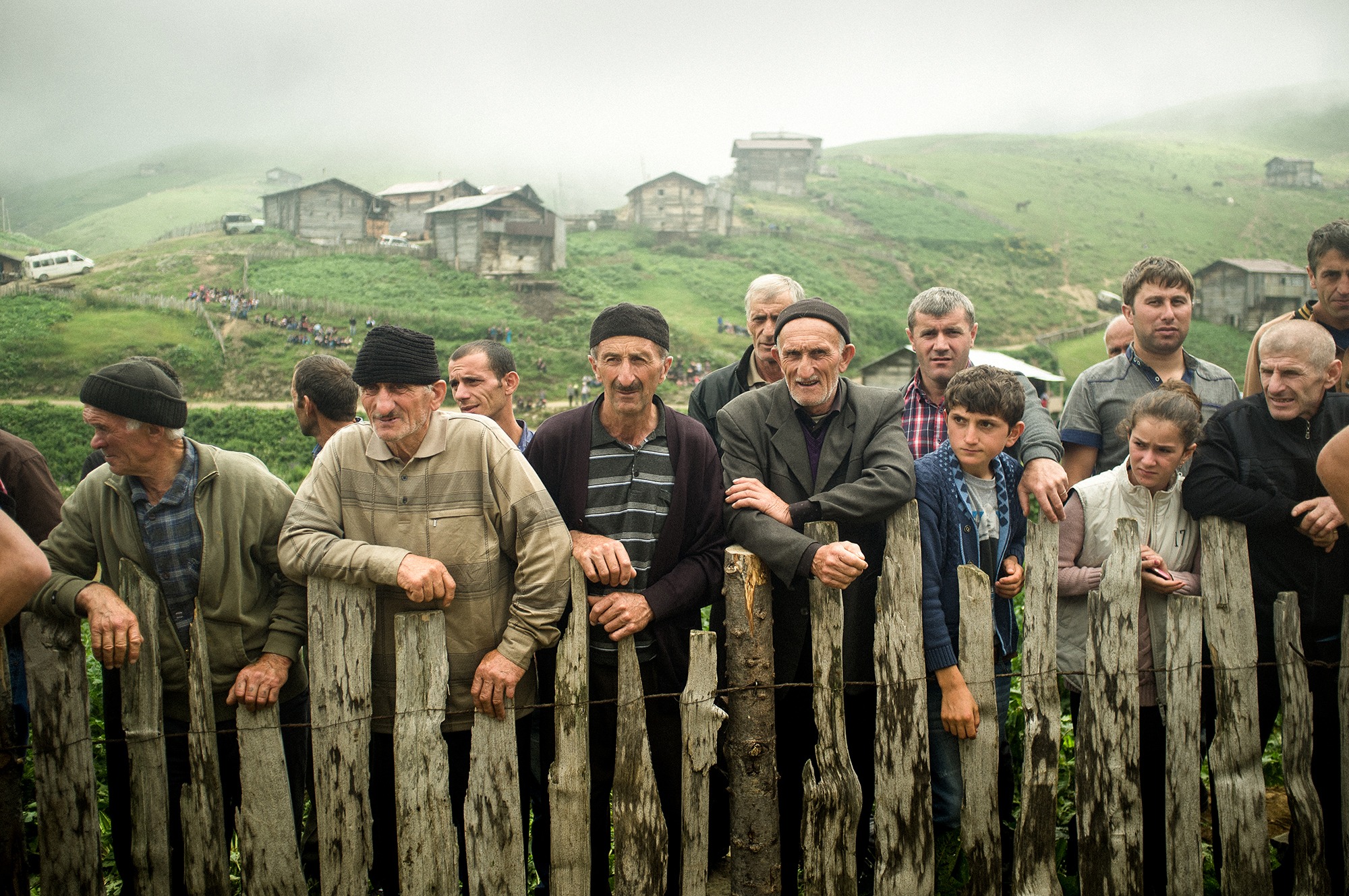
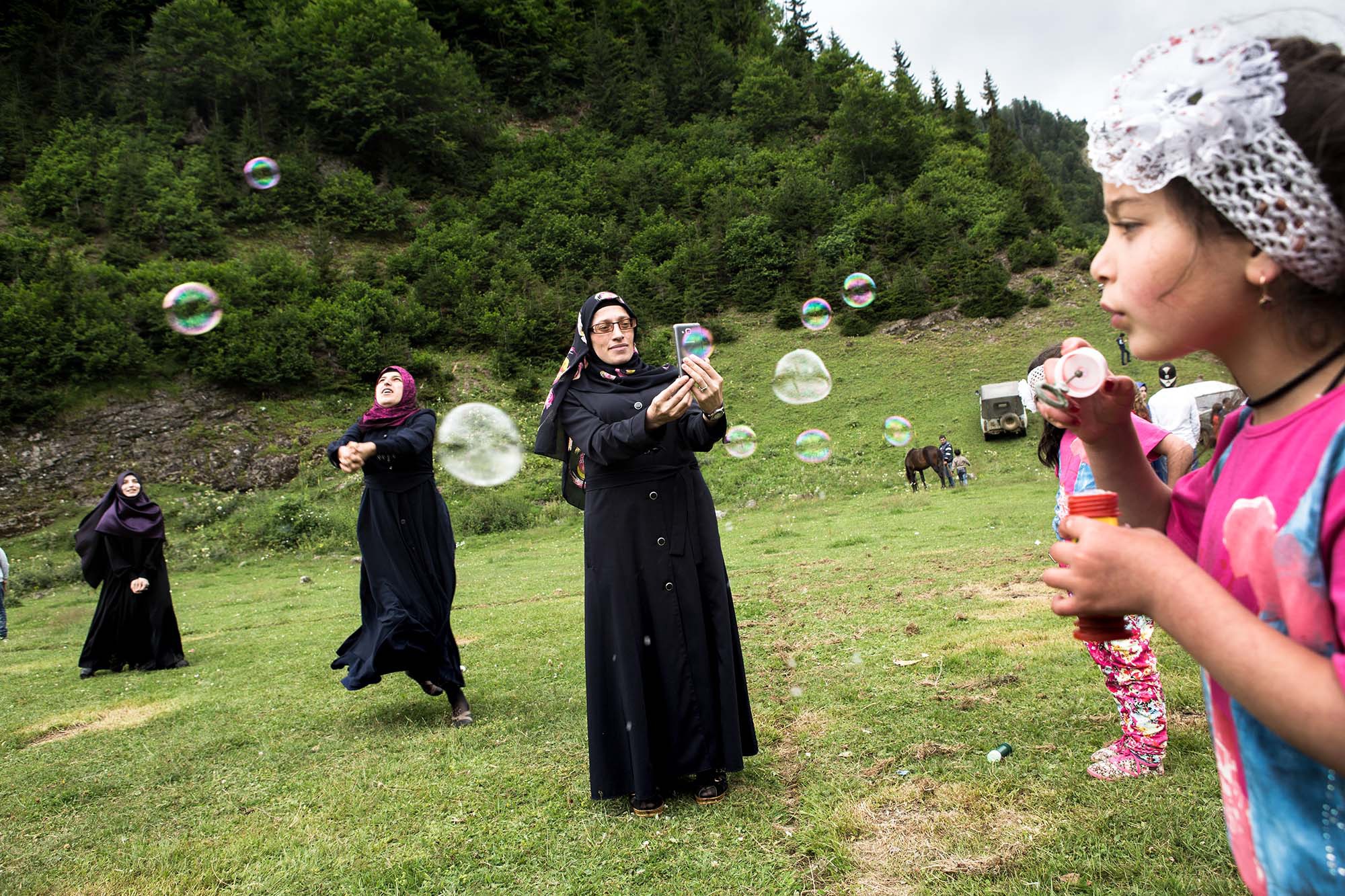
Mountainous Adjara is one of the most distinct and culturally rich regions of Georgia, where traditions and old ways of life have been preserved for generations. It is also home to a pastoral nomadic community whose movements, livelihood, and identity are deeply tied to the rhythms of the natural landscape. However, the isolation and marginalisation of this mountainous region have for decades been ongoing issues, and recent years have brought particularly difficult Challenges. The country’s prolonged socio-economic struggles have hindered the development of this area and delayed the integration of its inhabitants with the rest of Georgia. For many years, people in Adjara had limited access to education, healthcare, and other basic services. Villages frequently experienced electricity shortages, and in harsh winters they were often cut off from the outside world entirely. As a result of these conditions, many villages have been abandoned. A significant number of families have become eco-migrants, moving to other regions of Georgia in search of a better life. Khulo and the Ghorjomi Gorge represent some of the highest settlements in the Autonomous Republic of Adjara, encompassing 18 villages of various sizes. Due to small populations, some villages have only elementary schools, forcing high school students to travel to neighbouring areas. The infrastructure is deteriorated, and road access between villages is poor. Almost all the inhabitants are Muslim, and mosques are found in every large village. The people living in the gorge primarily rely on cattle breeding. With limited pastureland, many families take their herds to the highlands during the summer, staying there until late autumn. These seasonal movements are a central part of their pastoral lifestyle. Despite this, many men are still compelled to work seasonal jobs in Turkey to support their families. Today, the region—with its unique traditions and nomadic rhythms—is slowly becoming depopulated. As families leave, so do the stories, knowledge, and practices that have shaped life here for centuries. This project seeks to document not only a way of life that is fading but also the fragile balance between people and place—one that speaks to broader questions about displacement, survival, and our evolving relationship with the land.
Mancini, Karl (Italy)
In the Name of Wellness
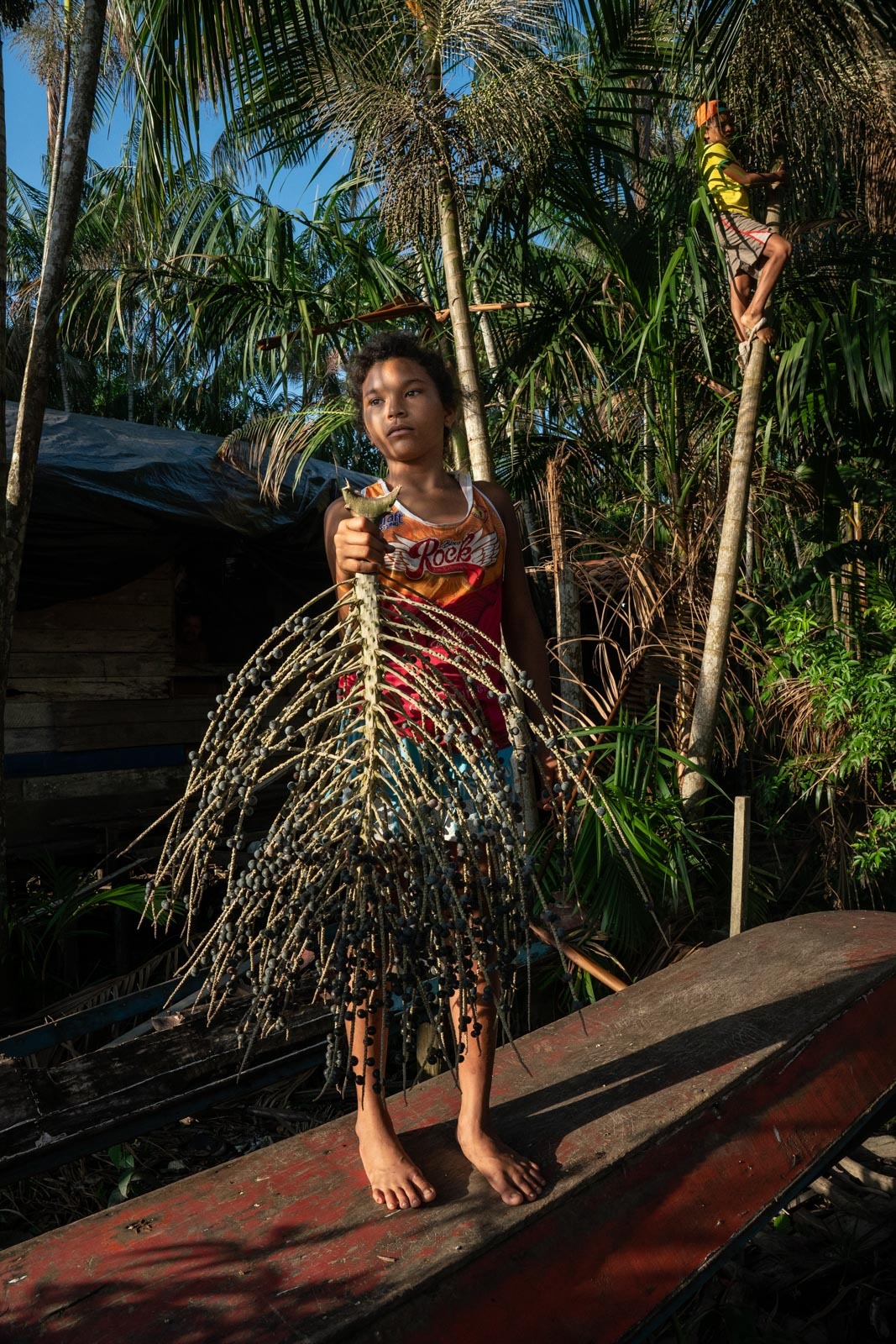
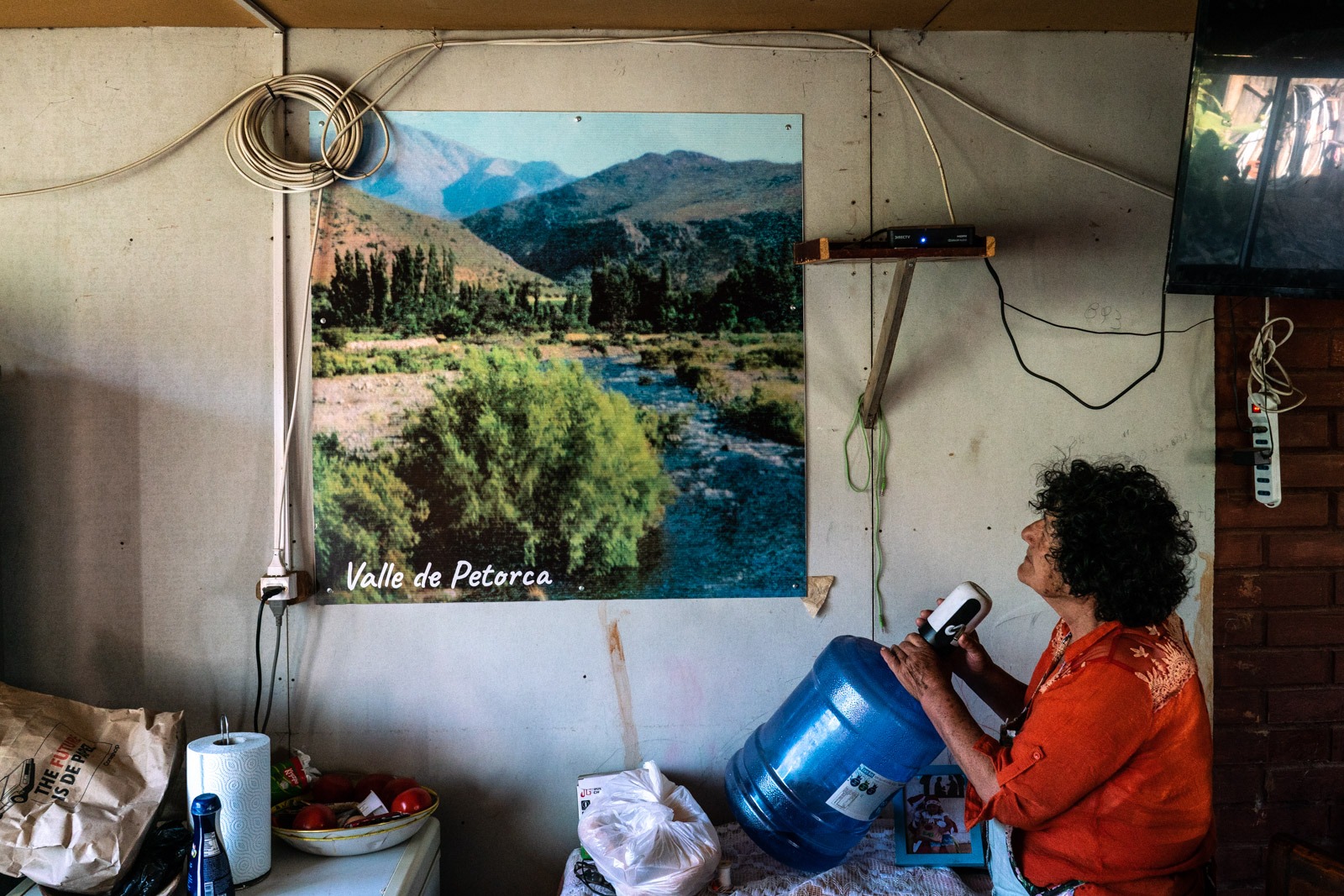
In The Name Of Wellness is a long-term project documenting the human and environmental consequences of the intensive superfood monocultures in Latin America. It investigates the phenomenon of environmental neocolonialism—its mechanisms, and its impact on ecosystems and local populations— driven by the demand to supply diets defined as “healthy” in western countries. Through stories collected across different countries, the project trace the invisible thread that connecting a widespread issue: the exploitation of native resources and communities already deeply affected by climate change. Western food fads and the obsession with everything that is "healthy" often carry a hidden human cost borne by people who remain out of sight. Products like avocado, soya, açaí, and quinoa, now familiar on our tables and considered the basis for a healthy diet, have fuelled a relentless surge in demand. This demand, in turn, drives Western investors to ever more aggressive forms of extraction, pushing ecosystems towards irreversible imbalance and placing immense pressure on local populations. Today, just as over 500 years ago, colonialism persists—though in new forms and under different names. The ships once departing Latin American ports laden with silver, gold, cacao and rubber have been replaced by enormous cargo freighters exporting raw materials at the expense of water and productive land. The exploitation of resources to the detriment of native peoples is a pattern that has been repeated throughout history. The project is now composed of four chapters: Purple Blood (Brazil) examines the human and environmental consequences of açaí monoculture in the Amazon, including its impact on biodiversity and the prevalence of child labour. Green Gold and Dry Earth (Chile) investigates the sever water crisis caused by intensive avocado monoculture, exacerbated by water privatisation laws established under Pinochet’s Constitution in 1981. The Golden Grain of the Andes (Bolivia) explores the social and environmental impact of quinoa monoculture. The Bitter Harvest (Argentina) focuses on the human and environmental costs of the global soya bean empire.
Miller Kovacs, Liz (USA)
Lithium Dream
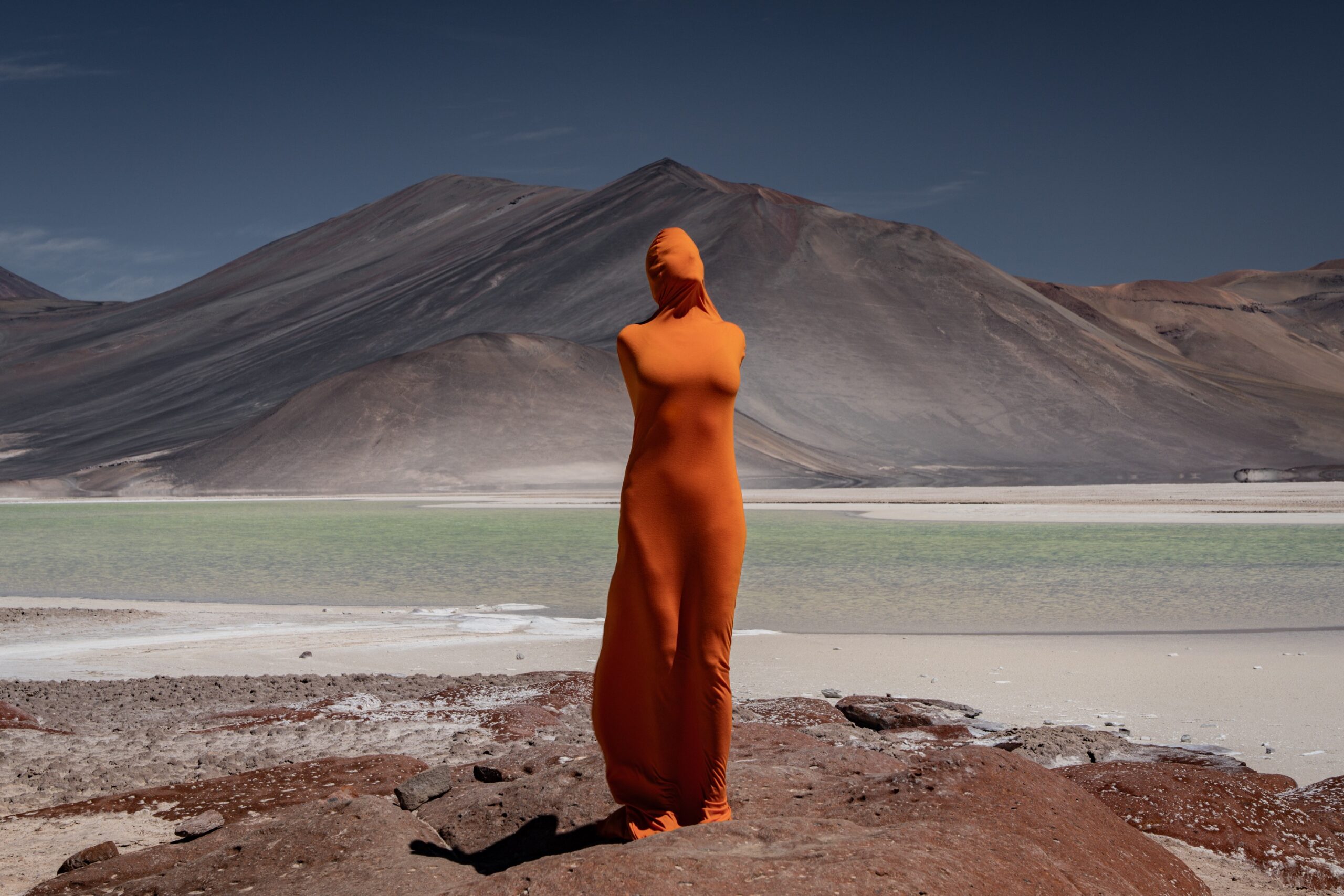
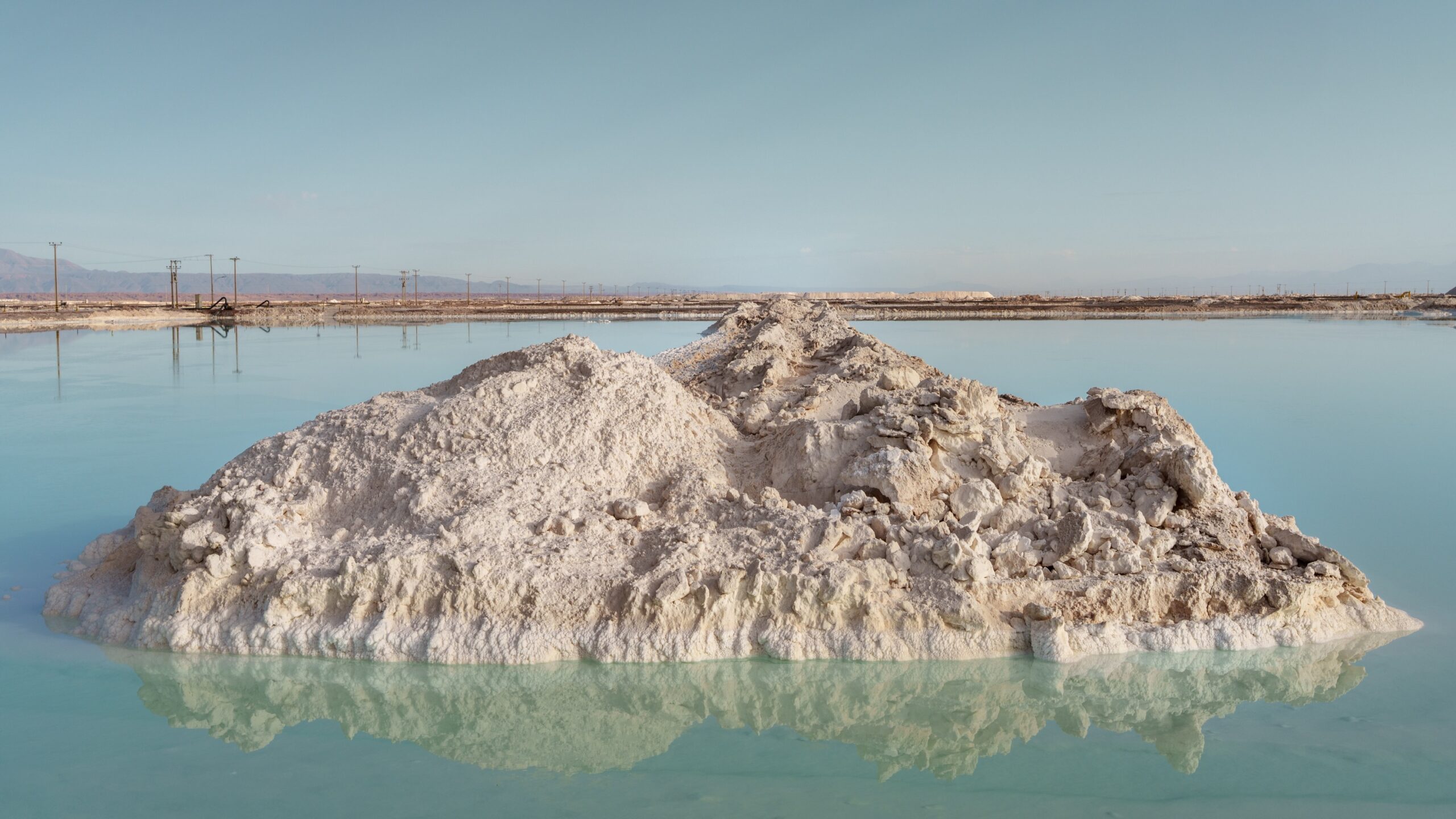
The artist has been documenting extraction industries and their surroundings since 2020. An essential element of her work is reframing these landscapes as a form of the sublime from a female perspective. She wanted to capture more 'clean energy' mines, and in December 2024, she travelled to the Atacama Desert in Chile to photograph the extensive lithium mines there. Despite more than two years of research and preparation, gaining access to lithium operations as an independent photographer remained extremely challenging. In 2024, she began collaborating with the Venezuelan NGO SOS Orinoco on the early stages of a documentary project on illegal mining in South America. Through this partnership, she secured official access to the largest lithium mine in Chile—the second largest in the world—a major player in the global green economy. Consumer demand for lithium-based products such as cell phones, electric vehicles and tyres is steadily increasing, fuelling a mining boom in the Atacama that has sparked intense debate. Local communities fear that the rapid expansion of the mines is depleting their already limited water supply. Recent government-sponsored studies, however, claim that the brine water comes from a separate source from the community water supply and is unsuitable for human consumption. Still, water levels in the surrounding natural salars are at record low levels, threatening the fragile ecosystems there. In response, both the Chilean government and mining companies have announced measures to reduce water consumption — including a plan to cut water use by 50% by 2030 and a transition to Direct Lithium Extraction (DLE). Critics argue that more immediate and drastic measures are required. Mining companies in Chile pay attractive salaries with benefits and employ thousands in rural areas. During her stay, she lived in the miners' camp and documented both their living quarters and recreational facilities. Many locals interviewed by her described mining as a desirable form of employment that offers upward financial mobility—even as the natural salt ponds around them continue to shrink. The artist also included in her work some conceptual self-portraits in the scene. Draped in fabric and echoing art- historical female archetypes, and positioned herself both as a witness and participant in the scene. By inserting her own body into the environment—at a natural salt lagoon and from a viewpoint overlooking the mining operations- she aims to document not only the physical transformation of the land, but also the often absent female presence in narratives of extraction and industry.
Orosco, Alejandra (Peru)
A dream in blue
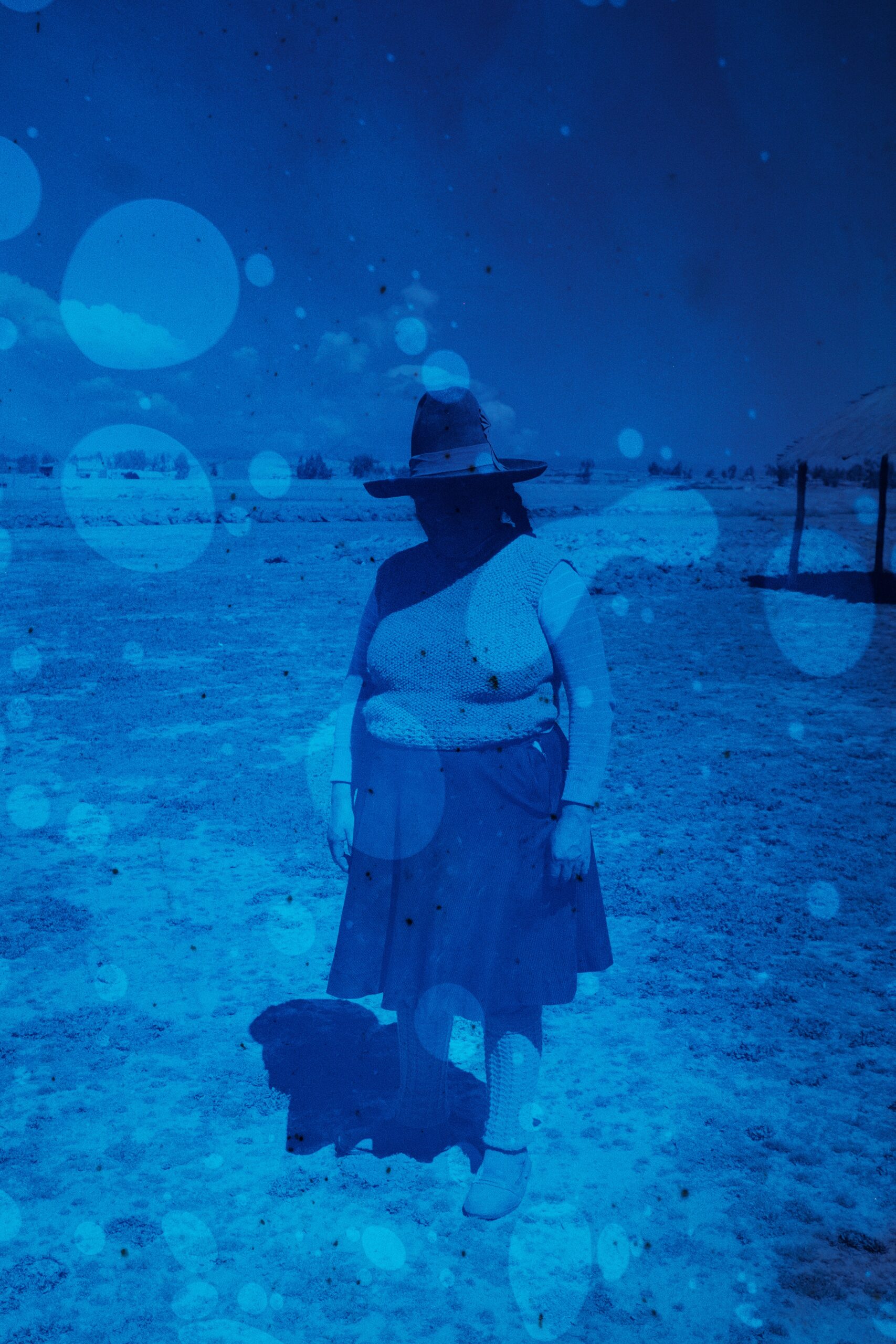
A Dream in Blue addresses the disappearance of indigo in Peru through the longing of traditional artisan communities who hope to bring it back to their territory to continue creating in blue. Although archaeological evidence in Peru shows the presence of indigo blue in pre-Columbian textiles more than 6,000 years ago, today the only way to obtain this colour is by importing it from North and Central America. This is the reality for the artisans of Chinchero, who dream of cultivating indigo locally and ending their dependence on foreign trade to create the vibrant blue of their traditional cloaks. The reasons for the disappearance of indigo in Peru remain uncertain. Climate change may have wiped out the plant in this region, or perhaps colonisation disrupted the exchange of resources between South America and Mesoamerica as a form of control. Both factors reveal how environmental and political forces can directly impact ancestral cultural practices. As tourism transforms the local economy, women in artisan cooperatives must adapt to environmental and economic pressures to satisfy the demand of tourists seeking handmade textiles as souvenirs. Today, they are striving to sustainably revive indigo cultivation, working to grow the plant on their land once again. This story follows their journey of expectations, dreams, and the anxieties of preserving a tradition in risk of disappearing—even when it is no longer part of one’s everyday reality.
Simikić, Mitar (Serbia)
Janja
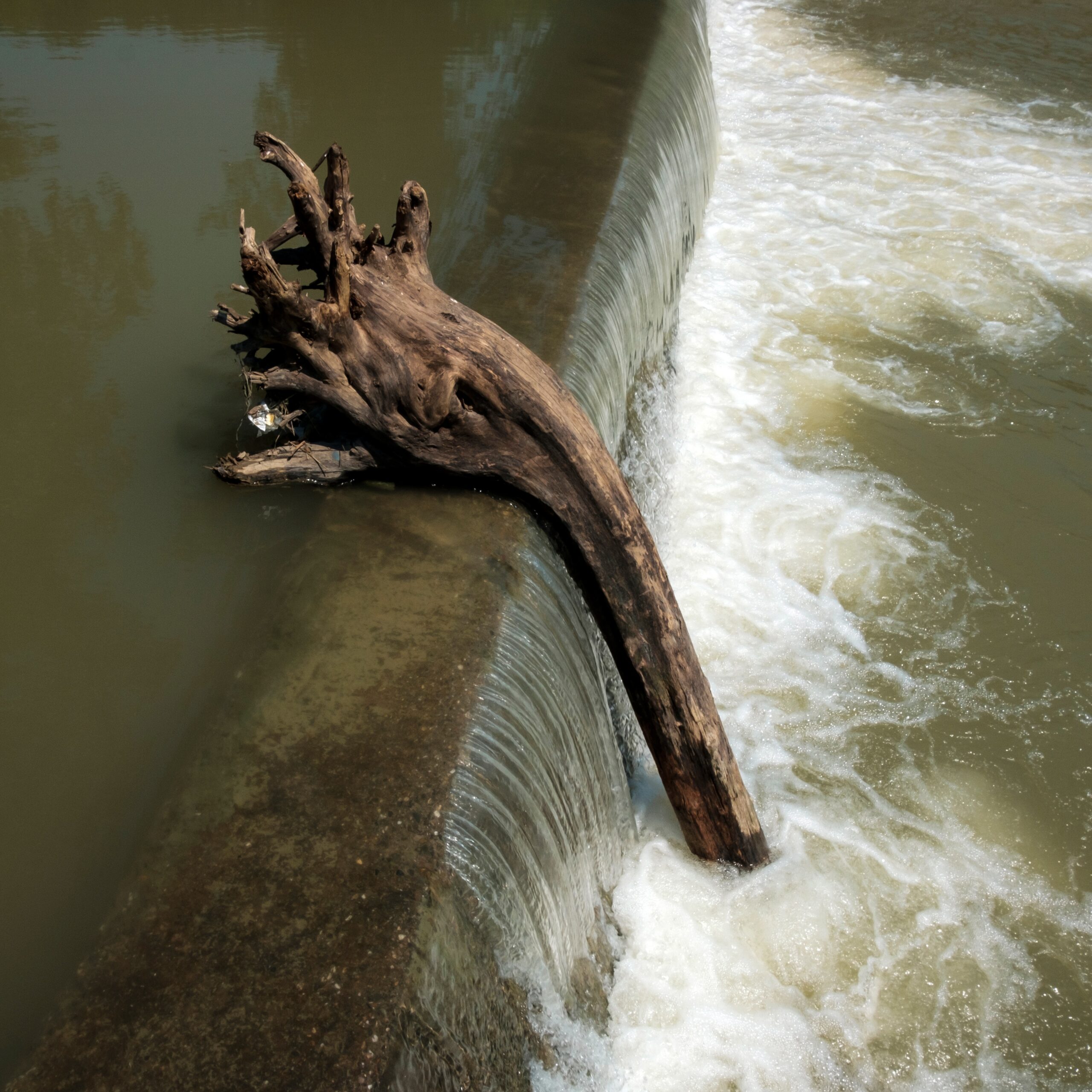
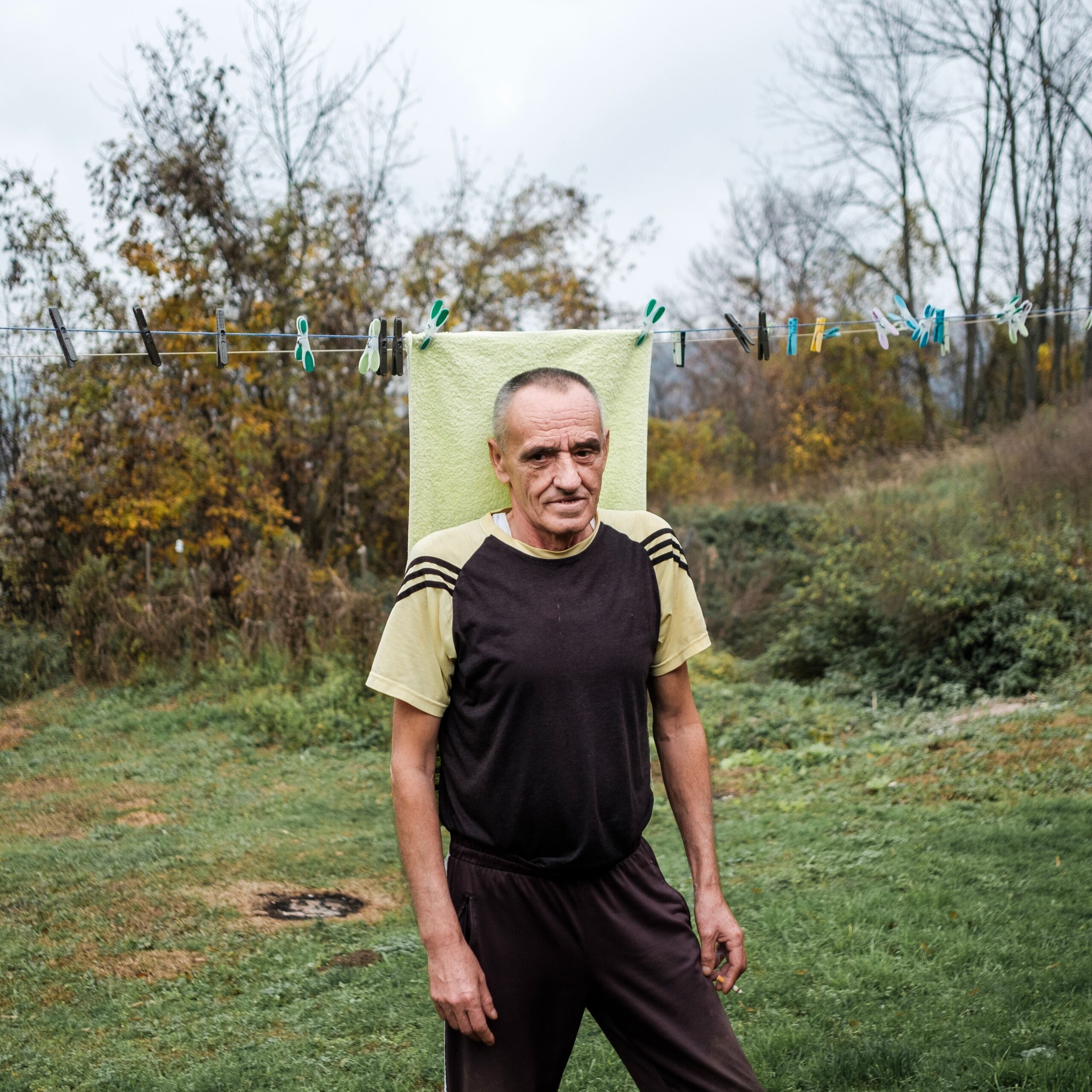
Like any river, the Janja weaves its way through the landscape, carving out time, destiny, and imagination. It is a body of water that tells the story of the land, people, and nature’s rhythms, flowing through the heart of northeastern Bosnia and Herzegovina. But the Janja, like so many rivers worldwide, has experienced profound changes over the last 30 years, a shift in its course and purpose. For centuries, it was more than just a river; it was a lifeline for communities, a vital force that sustained the land and the people who lived alongside it. The Janja was a gathering place, a source of joy and vitality, where children would play and learn to swim in its water, where cattle grazed along its banks, and where the river’s flow nourished the crops grown by farmers who relied on its bounty. People drank this water, trusted it for sustenance, and celebrated the community that formed around its presence. Up until the late 1970s, the Janja was a vital force of nature. But all of that began to change with the construction of the Ugljevik power plant, a major industrial development in Bosnia and Herzegovina. The power plant, which became an economic giant in the region, brought with it a series of interventions that forever altered the river’s course and its ecology. In the early 1980s, the river was diverted to accommodate the plant’s infrastructure, and its natural flow was disrupted. The Janja’s ecosystem, once thriving with fish, plants, and animals, began to show signs of decline, its waters tainted and its once-rich banks stripped of their vibrancy. The Janja’s 53 kilometres from the left tributary of the River Drina, the second-largest river in Bosnia and Herzegovina. Its course runs through a region rich in cultural and historical significance. Along its path, the river changes its name, becoming the Modran in the middle of its journey, only to resume as the Janja once again as it continues toward its confluence with the Drina. My journey along the Janja’s course is an exploration of the river’s changing relationship with its environment as a long-term project. It is an attempt to understand the cultural, physical, economic, and ecological complexities that have shaped the Janja over the years. To understand the fate of this particular river, with its rich past but also its obvious reality, we must listen to the whispers of the water that speak of the history of this place until we find anxiety or inner peace upon saying goodbye to her at its end.
Zdešar, Ela (Slovenia)
Live and Let Live
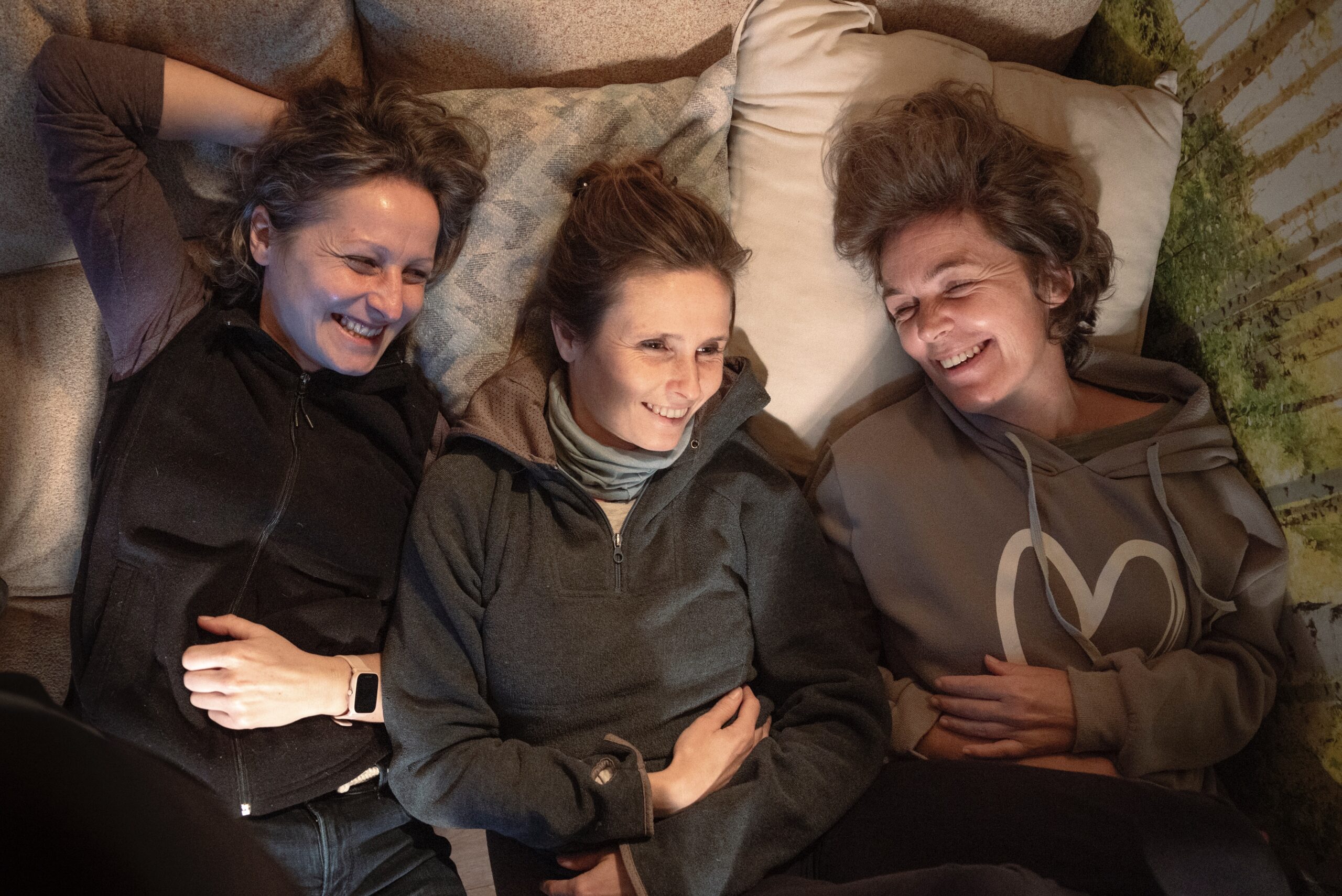
Neja Meta, Špela and Tinka are a group of three friends who, taking on the care of pregnant mare, took on the challenge of finding their own space. They signed a rental agreement for an old farm field and, with no jobs, money, or previous experience, built an equestrian centre with their bare hands. The centre—and later on also the Society for Deep Ecology—was given the name Terra Anima, the name originating from Latin meaning soul of the earth. They fight to protect local European wetlands and teach people how to connect with our fundamental roots. After seven years of advocacy, these three incredible women, allergic to social media and technology, who still play like children when there’s mud and water around, have successfully protected 411.36 hectares (1016,5 acres) of local wetland Češeniška and Prevojske gmajne, now registered as a nature reserve and a part of the EU Natura 2000 network to prevent biodiversity loss. One a writer and storyteller, one practical and inventive, and one who has lived in the forest since she was 15—these women have taught the artist that even the most invisible things have a purpose. Through their 15 years of collaboration and friendship they have taught her and many others that in the end, the only thing that really matters is our “culture of the heart”. This project is about womanhood, relationships between people and between us and other living beings, about courage and about dreams. Above all, it is about our connection to nature and our longing to belong to something real.

Projects selected for projection

Photographers listed in alphabetical order

Cordero, Charlie (Colombia) – Santa Cruz del Islote

Escobar, Sara (Mexico) – Burrolandia: The Donkey Obsession

Kallai, Marton (Hungary) – Citizen Science

Kapš, Petra (Slovenia) – Irreversible Loop

Ndebo, Guerchom (Democratic Republic of Congo) – Scarred Beauty

Nguyễn, Lê Quyên (Germany) – Metsätähti

Olwage, Lee-Ann (South Africa) – Mwani Origin

Parra Rios, Carlos (Colombia) – Tajamar

Renaud, Phillipe (Canada) – Retomada

Saadati, Kianoush (Iran) – Silent Wings: Between Fear and Understanding

Satkın, Mustafa Bilge (Turkey) – In the Shadow of Noah

Unruh, Irina (Germany) – A Walnut Tree Grows In Our Garden

Vatcheva, Michaela (Bulgaria) – The Last Wild Sturgeons and Their People

Zoltai, András (Hungary) – Blue Memoir

Follow us:

Follow us