A two-day workshop on conservation photography for transformation and connection
Facilitated by Stefano Carini
Context
In the midst of overlapping ecological and social crises, visual storytelling is a powerful tool—not just for awareness, but for transformation. Yet dominant narratives around the climate crisis often focus on despair, destruction, and loss. While urgent, these images can produce fatigue, detachment, and even trauma—reinforcing a sense of helplessness and disconnection. Scientific research increasingly shows that chronic exposure to dramatic or negative media leads to psychological paralysis, news avoidance, and emotional burnout. In this environment, photographers have a critical choice: to either reflect the collapse or help shape the conditions for resilience. This workshop challenges extractive visual narratives and invites photographers to step into a regenerative role—where storytelling becomes an act of care, imagination, and intervention.
Overview
Shifting Narratvies presents a three-day intensive workshop for photographers and visual storytellers who want to deepen their practice, experiment with narrative shifts, and reimagine how they engage audiences in the face of ecological breakdown. Participants will work hands-on with their existing portfolios to re-edit, curate, and emotionally recalibrate their work. Through guided reflection, peer feedback, and collaborative exercises, they will develop new ways of seeing, framing, and narrating their stories—building toward a visual language that fosters empathy, imagination, and action.
Objectives
Regenerative Storytelling Equip participants to move beyond crisis-driven imagery and toward narratives that support ecological and cultural resilience. Radical Empathy Deepen the emotional force of visual work through storytelling that builds relational connections between human and more-than-human subjects. Dialogue and Feedback Cultivate a collaborative space of reflection and learning where participants exchange insights and reimagine their narrative strategies. Narrative Innovation Encourage experimentation and meditative editing processes to unlock new pathways in conservation photography. Scientific Framework The workshop draws on research from psychology, media studies, and trauma theory to foster more conscious storytelling practices: Doomscrolling & Media Burnout: Constant exposure to negative content heightens anxiety and detachment. Regenerative storytelling acts as a remedy. Vicarious Trauma: Stories saturated in suffering may retraumatize audiences. This workshop trains participants to hold complexity while centering dignity and agency. Mean World Syndrome: Overexposure to crisis narratives distorts perception. Balanced storytelling restores trust in community, possibility, and agency. News Avoidance: Many audiences are disengaging. Hopeful and emotionally resonant narratives can re-engage them meaningfully.
Workshop Objectives
- Regenerative Storytelling
Equip participants to move beyond crisis-driven imagery and toward narratives that support ecological and cultural resilience. - Radical Empathy
Deepen the emotional force of visual work through storytelling that builds relational connections between human and more-than-human subjects. - Dialogue and Feedback
Cultivate a collaborative space of reflection and learning where participants exchange insights and reimagine their narrative strategies. - Narrative Innovation
Encourage experimentation and meditative editing processes to unlock new pathways in conservation photography.
Exact dates in October:
17, 18 of October 2025
Venue/location: Stara Fužina 38, TNP – center
Early bird fee: 160 EUR
Regular price: 200 EUR
What’s included in the fee:
- Full participation in all workshop sessions
- Individual guidance and mentorship
- Light refreshments during sessions (tea, coffee, snacks)
- A small welcome token from Bohinj
Application date : October 13th 23:59
How to apply : www.bohinj.si/en/events/
Contact : [email protected]
Language: the workshop will be held in English
Total number of participants : 15 participants
Structure:
DAY 1 — Grounding & Reflection
- Welcome and introduction to Shifting Narratives
- Lecture: The psychology of visual narratives
- Portfolio review & emotional tone analysis
- Group dialogue: From raising awareness to activating imagination
DAY 2 — Reimagining Narratives
- Editing sessions: Emotional reframing & sequencing
- Group work: Narrative reconstruction & experimentation
- Peer-to-peer feedback and facilitator guidance
- Curating from a regenerative perspective
- Visioning session: Future work as intervention
- Drafting of a project statement or narrative concept
- Story presentations & individual critique
- Group reflection and closing circle
- Optional: public presentation or contribution to a collaborative zine
Outcomes
By the end of the workshop, participants will:
- Have re-edited and reframed a selection of their work using regenerative storytelling principles
- Gain tools for integrating hope, empathy, and cultural resilience into their visual practice
- Develop a draft project proposal or narrative concept for future work, aligned with the Shifting Narratives ethos
- Leave with a revised mini-portfolio or visual sequence, suitable for editorial or exhibition contexts
- Optionally contribute to a collective public presentation or festival zine
- Build confidence in curating and presenting work for advocacy, editorial, and community-facing platforms
- Leave with a renewed sense of direction and purpose in their visual storytelling
Who It’s For
This workshop is intended for intermediate to advanced photographers working in conservation, social documentary, or environmental storytelling. Participants must bring an existing body of work to critique and revise. The workshop is held in English and open to international applicants.
Aligned with Shifting Narratives
This workshop is part of Shifting Narratives, a curatorial platform for visual storytelling, ecological transformation, and cultural strategy. It embodies the belief that storytelling can serve life—not crisis capital—and that new narratives are essential for building worlds worth living in.
Guest speakers/facilitators: online presentation by András Zollai, Victor Moriyama and Maroussia Maye:
András Zoltai (Hungary)
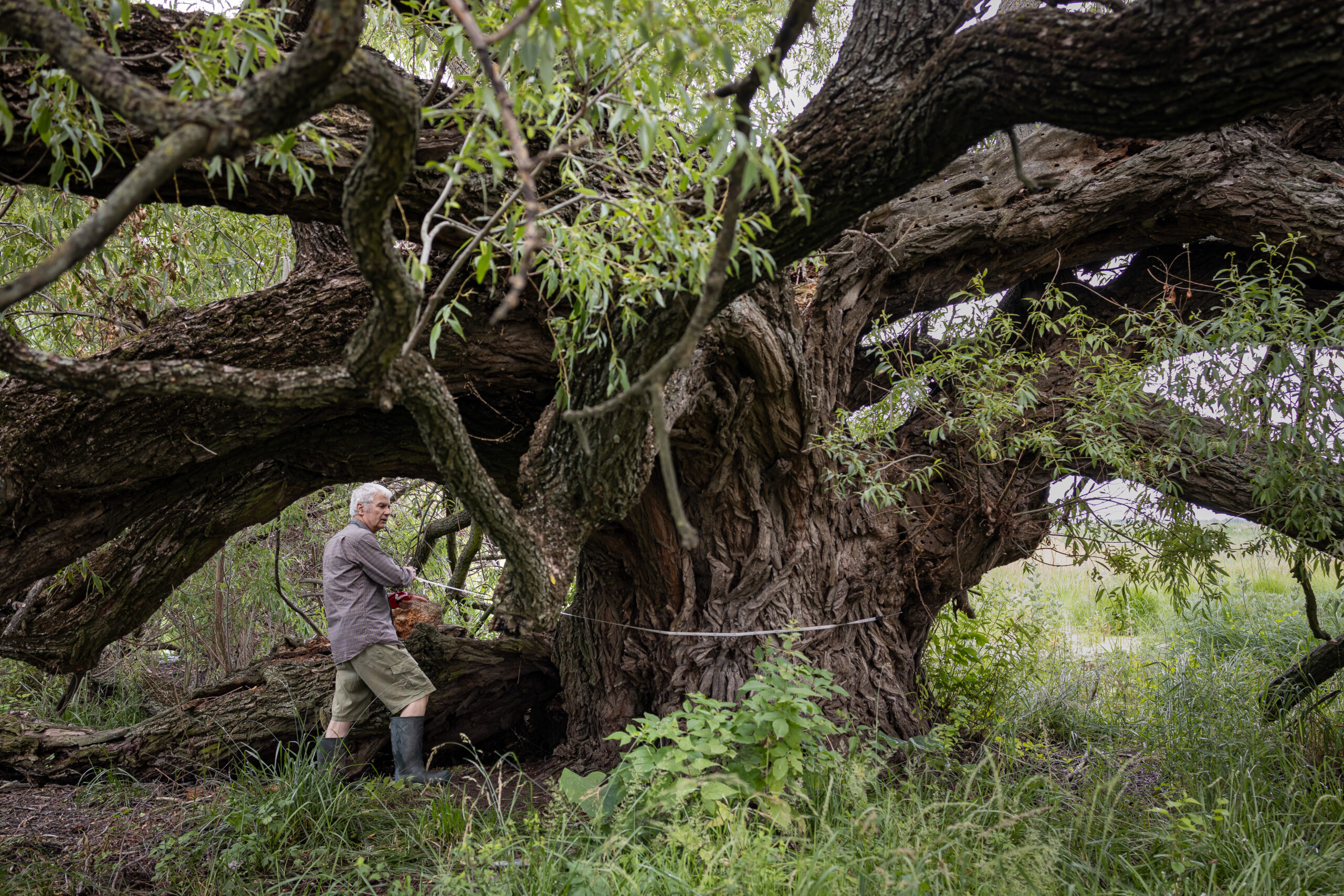
András Zoltai is a Hungarian documentary photographer and National Geographic Explorer focusing on socially and environmentally critical issues. His long-term project, “Blue Memoir,” examines water crises in Hungary, reflecting on the physical, social, and spiritual dimensions of water in a landlocked country. Zoltai’s blend of journalistic and conceptual approaches offers a poetic yet critical lens on climate change, making his work a compelling addition to Shifting Narratives.
Victor Moriyama (Brazil)
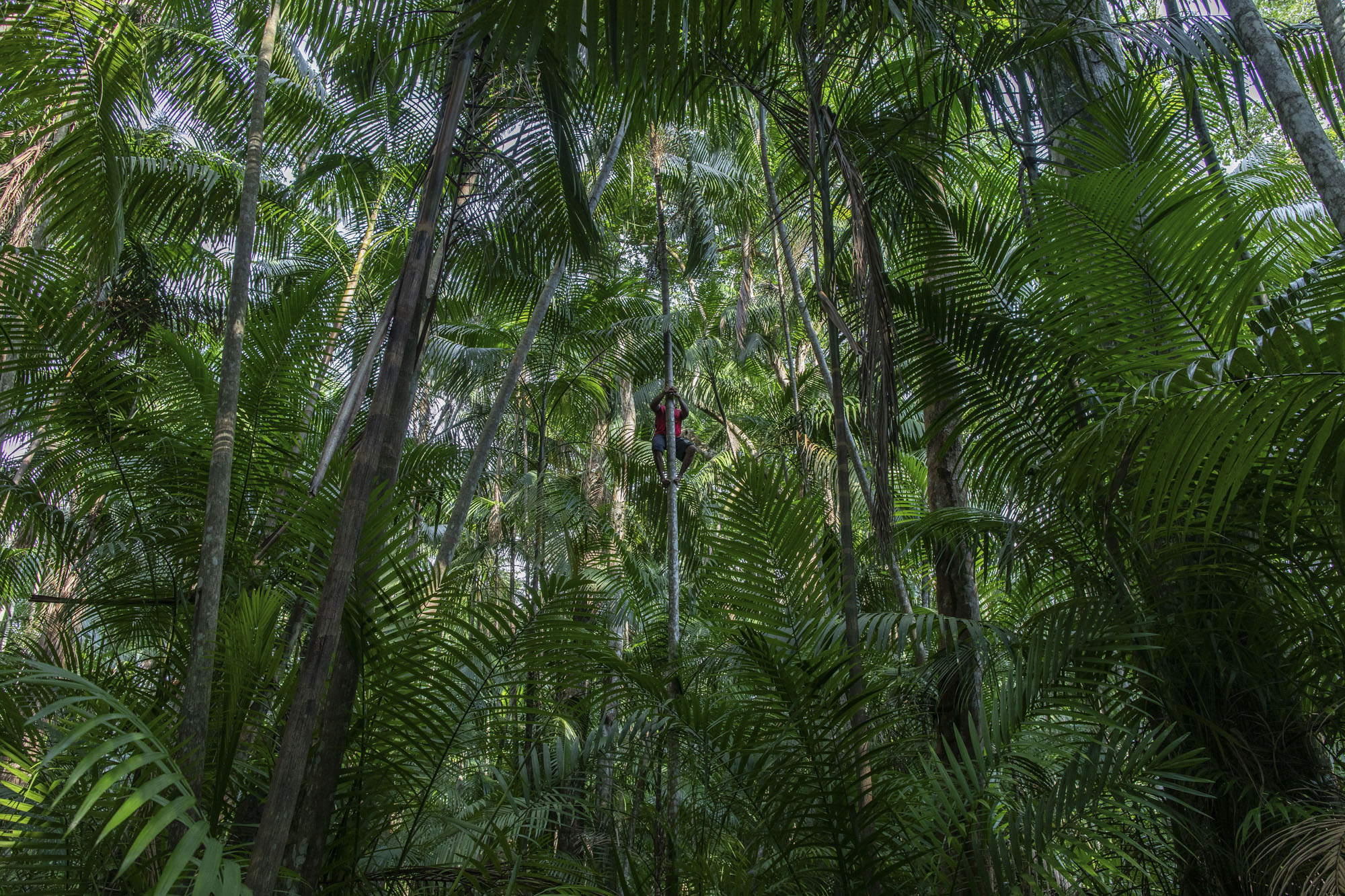
Victor Moriyama is a Brazilian photojournalist renowned for his compelling documentation of the Amazon rainforest and its indigenous communities. His work, featured in publications like The New York Times, National Geographic, and El País, delves into the socio-environmental challenges facing the region, including deforestation, agrarian conflicts, and the impacts of climate change. In 2019, he founded @historiasamazonicas, a collaborative platform of Latin American photographers dedicated to capturing the contemporary processes shaping the Amazon.
Moriyama’s humanist approach and commitment to visual activism align seamlessly with the ethos of Shifting Narratives. His powerful imagery not only raises awareness but also fosters a deeper understanding of the complexities within the Amazon, making him an invaluable contributor to the project’s mission of promoting non-extractive, solutions-focused storytelling.
Maroussia Mbaye (Senegal/France)
Maroussia Mbaye is a Franco-Senegalese documentary photographer with a background in international development, having worked with institutions like the African Development Bank and the United Nations. Her photography focuses on social divisions, complexities, and justice, aiming to capture human life in perspective-shifting ways.
In her project “Atlas of Dying African Traditions,” Mbaye documents the fading cultural practices in Guinea-Bissau, highlighting the loss of societal markers and the resulting identity crises.
Mbaye’s work embodies the principles of Shifting Narratives, emphasizing the importance of preserving cultural heritage and promoting social justice through storytelling.
Shifting Narratives For visual storytelling, ecology, and cultural regeneration
Visual storytelling for ecological transformation and cultural resilience
Challenging dominant narratives through regenerative visual culture
Curated and led by Stefano Carini
What It Is
Shifting Narratives is a platform for visual storytelling, public engagement, and cultural strategy. We use photography, editorial collaboration, and community-based programming to challenge dominant narratives around ecology, displacement, memory, and justice. We work globally with a network of photographers, curators, educators, and cultural workers. We believe in multiplicity over monoculture – especially when facing crises that are globally connected but locally lived. We build local ecosystems of resilience, connecting visual storytellers with the communities they explore –where stories grow through dialogue, care, and shared ground. This is not about raising awareness. It’s about changing perception, reframing reality, and activating imagination through the power of visual culture. We exist to challenge extractive narratives, disrupt passive storytelling, and fight for cultural strategies that serve life – not crisis capital. We also collaborate across disciplines working with scientists, researchers, academics, and investigative journalists – to bring data, evidence, and invisible systems into the realm of visual storytelling. Our goal is not only to interpret the world, but to translate complex realities into cultural form that invites engagement, emotion, and change.
Core Principles
•Narrative as intervention, not passive documentation
•Local and community-based voices at the center
•Global distribution for broader impact
•Ecology and culture as inseparable forces
•Storytelling as regenerative practice – a tool for rebuilding, not just reporting
•Integrating regenerative principles into daily cultural and editorial practice
•Building dialogue between science, culture, and community knowledge
What We Do
A Core Activities
•Photography exhibitions and installations
•Visual essays and editorial collaborations
•Education on visual literacy, narrative framing, and regenerative thinking
•Public space activations and community labs B Strategic & Production Services
•Consulting and storytelling strategy for NGOs, institutions, and funders
•Production of regenerative visual campaigns for aligned organizations and brands
•Representation and support for visual storytellers
•Fundraising for mission-driven initiatives, artists, and organizations we believe inincluding grant writing, campaign strategy, and donor engagement
Why Now
In a time of planetary crisis and cultural fragmentation, storytelling remains one of our most powerful tools for sense-making, connection, and change.